Motivation
The increasing digitalization of business processes and the use of ERP systems lead to a constantly growing amount of company data. This also offers new opportunities for fraudulent or erroneous behavior. While traditional security solutions primarily address external attacks, internal fraud often goes unnoticed. It is estimated that companies suffer losses amounting to around 5% of their turnover every year [1].
Goals and methods
The SeLLMa research project aims to investigate how large language models ( LLMs) can be used to detect and verify fraud in ERP systems. The aim of the research project is, on the one hand, to provide realistic synthetic ERP data that will enable scientists and users from the field to develop and evaluate their own fraud detection methods. On the other hand, innovative, LLM-based approaches for the automated detection of fraud are being developed and an intelligent chatbot designed to support the forensic analysis of suspected cases. By combining generative AI and classic machine learning methods, both known and new fraud patterns are to be identified and processed in an understandable way.
[1] ACFE. Occupational Fraud 2024: A Report to the Nations (2024): https://www.acfe.com/-/media/files/acfe/pdfs/rttn/2024/2024-report-to-the-nations.pdf

Project funding
The project is funded by the German Research Foundation (DFG ) in the Transfer HAW/FH PLUS program under project number 554438972 and is headed by Prof. Dr. Bernd Scheuermann (Faculty of Business Administration and Economics).
Project partners
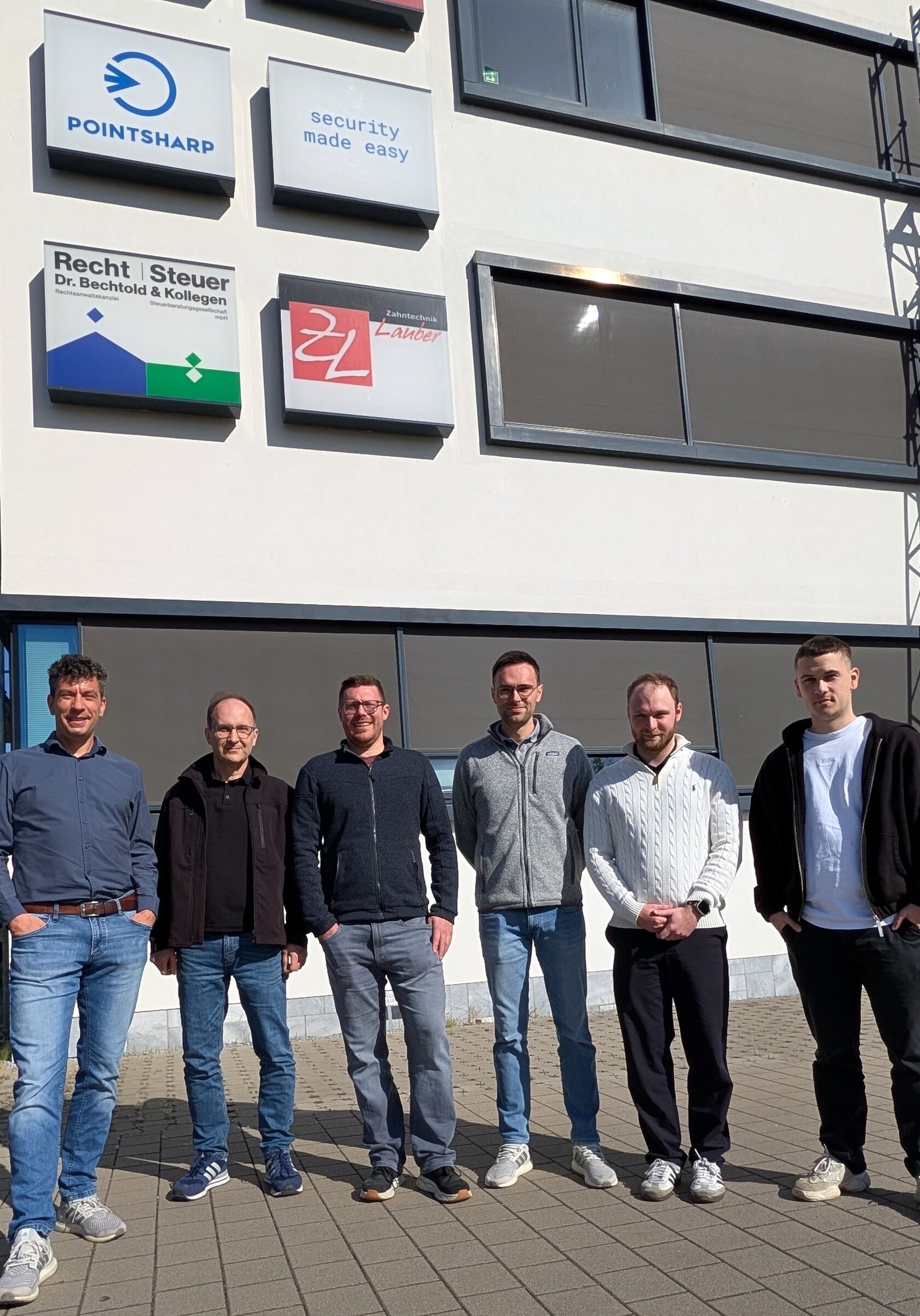
Together with application partner Pointsharp GmbH from Karlsruhe, the aim is to sustainably increase the security of ERP systems.