Mission Statement
Our vision: Future Tech!
Future Tech! HKA is the opportunity space of the present for the society of the future.
As a university community, we develop technologies, ideas and solutions today that will shape our society tomorrow. We combine excellence in applied science with responsibility for a sustainable future worth living.
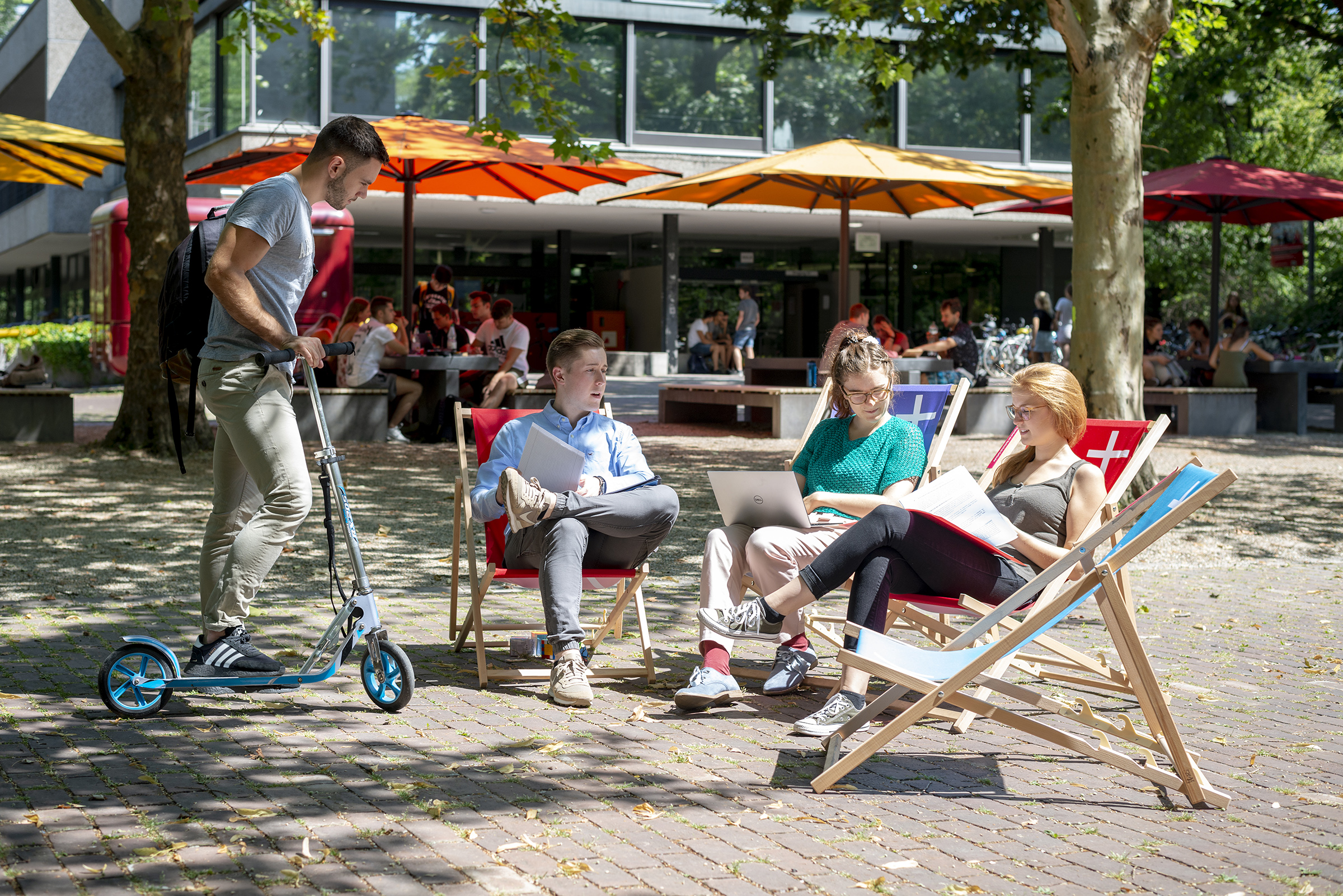
Karlsruhe University of Applied Sciences (HKA) is a vibrant place for shaping the future, where we - students, professors and staff - actively shape the future together with courage, curiosity and responsibility. We create places where new technologies, creative ideas and social responsibility come together - practical, interdisciplinary and networked in the Karlsruhe technology region, in Europe and in the world.
As a developer of future-oriented technologies , we solve real problems and shape technical progress in a sustainable way.
As an innovator of responsible technology design, we combine technology with environmental responsibility and thus create solutions that are ecologically, economically and socially sustainable.
As a shaper of transformation, we support business, politics and society on their way to a digitally networked, climate-neutral and resilient future.
As a mediator between technology and society , we make complex innovations understandable, accessible and usable - for everyone.
We are known as a center for future tech: through excellent teaching, research-based innovations and a vibrant culture of community. We educate young people who combine technical know-how with key skills and can actively and responsibly help shape the world. We use the findings of applied science to develop start-ups, open up new business areas and support industry and SMEs in their transformation. We put innovations into practice and create real added value for business and society.
We stand in the tradition of the Baugewerkeschule founded in 1878 - with a clear view of the future and the firm will to help shape a society in which we ourselves would like to live and which we can leave to future generations with a clear conscience.
Research and teaching with respect and diversity
HKA is committed to a free and democratic order, respect for the dignity of all people, diversity, tolerance and openness to the world. Our actions are guided both by the freedom of science and by our responsibility towards future generations. Nuanced perspectives, diversity of opinion and international exchange are the basis of our teaching and research activities. We make our contribution to solving problems and answering urgent questions about the future of our society. This can only succeed in a culture of mutual respect and exchange. Without such a foundation of values, neither technological progress nor social coexistence are possible.
A strong university with a strong profile
HKA is one of the largest universities of applied sciences in Baden-Württemberg and one of those most actively engaged in research. It has for many years performed very well in rankings such as the renowned CHE University Ranking of the ZEIT Study Guide.
Practical orientation and an international focus in teaching and learning are very important at the university. An essential component is the internship semester, which students complete in a company of their choice. In most cases, the final thesis is also written in a company; many students get to know their future employer here. Another key quality feature is the good support and guidance that students receive: They study in small groups and are supported by numerous tutorials. Students can work on research projects at an early stage, gain experience and, on this basis, also decide to pursue an academic career.
Emission-free campus as a project for the whole university community
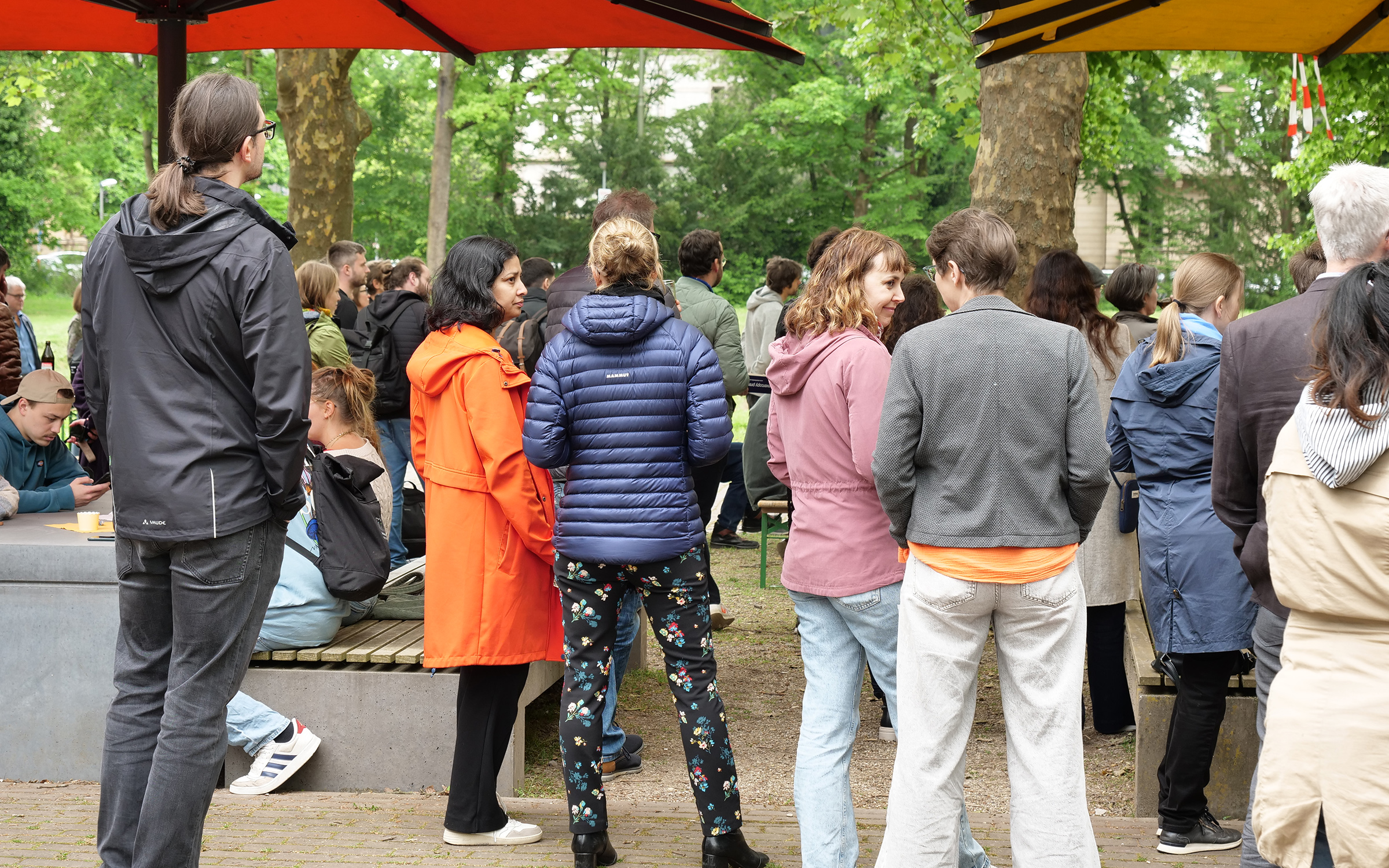
Back in 2018, a broad-based initiative was launched to make the university “fit” for the future – its leafy campus should actually become a “green” campus. HKA has the opportunity to tackle university and campus development as a whole in a participatory manner, i.e. with our students, staff and professors. The existing buildings are to be supplemented with ecologically and economically sound solutions and new buildings are to be added that have been constructed in a sustainable manner. Communal spaces will be created for students, professors and staff to interact, making campus life more attractive overall.